As contact centers become more digital, distributed, and data-driven, security and privacy are no longer back-office concerns—they are frontline priorities. In 2026, customer interactions span voice, chat, email, and social platforms, generating vast amounts of sensitive data that must be protected at every touchpoint.
From data breaches to regulatory non-compliance, the risks facing contact centers are more complex than ever. Organizations must adopt a proactive, layered approach to safeguard customer information and maintain trust. With strategic support from XMCBPO, businesses can strengthen their security posture while delivering seamless customer experiences.
Key Benefits of Strong Security & Privacy Practices

Increased Customer Trust
Customers are more likely to engage with brands that demonstrate strong data protection and transparency.

Regulatory Compliance
Adhering to global and local data privacy regulations helps avoid costly fines and legal consequences.

Reduced Risk of Data Breaches
Proactive security frameworks minimize vulnerabilities across systems, networks, and processes.

Business Continuity
Strong security protocols ensure operations remain stable even in the face of cyber threats or disruptions.

Competitive Advantage
Organizations that prioritize security differentiate themselves in a crowded market—something XMCBPO helps businesses achieve through best-in-class compliance and risk management strategies.
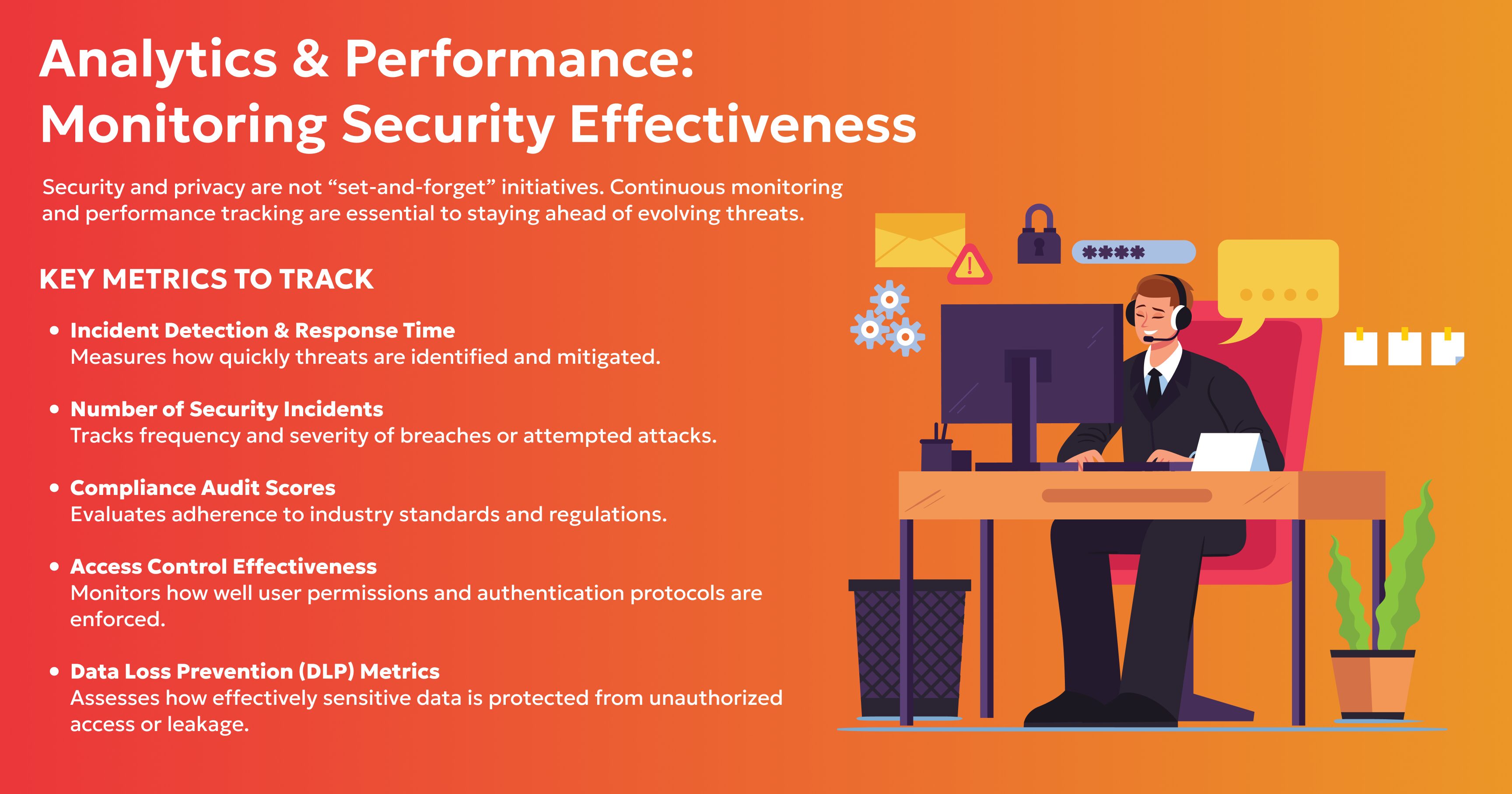
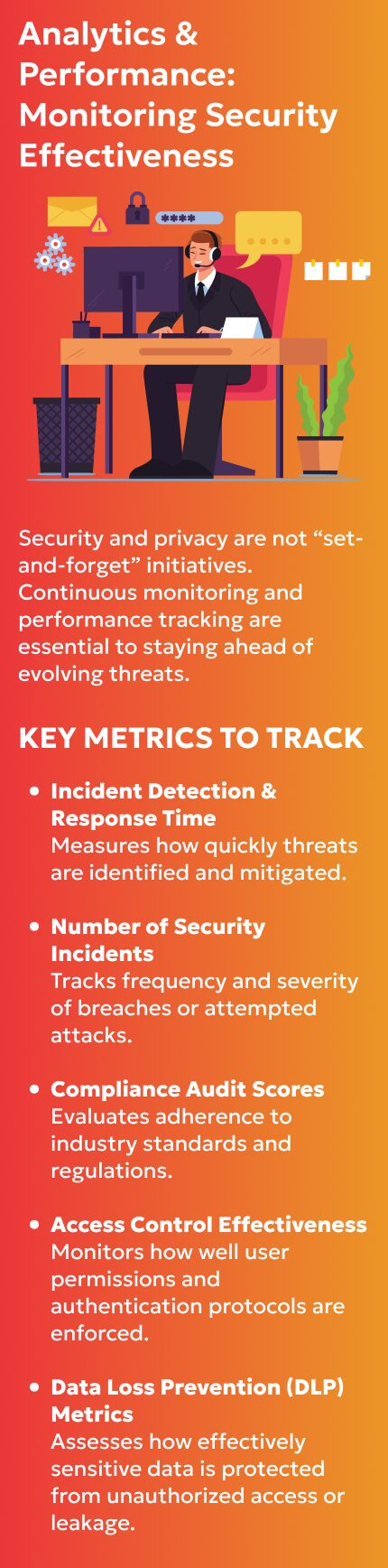
The 2026 Risk Checklist
Omnichannel Data Protection
Are all communication channels secured end-to-end?
Identity & Access Management (IAM)
Are strict authentication and role-based access controls in place?
Cloud Security
Are cloud platforms configured and monitored properly?
Third-Party Risk Management
Are vendors and partners compliant with security standards?
Employee Training & Awareness
Are agents equipped to recognize phishing, social engineering, and other threats?
Data Encryption & Storage Policies
Is sensitive data encrypted both in transit and at rest?
AI & Automation Risks
Are AI tools monitored to prevent data misuse or bias?
With guidance from XMCBPO, organizations can implement comprehensive security frameworks that address these critical areas while maintaining operational efficiency.
Conclusion
In 2026, security and privacy are integral to delivering exceptional customer experiences. Contact centers must go beyond compliance and adopt a proactive, risk-based approach to protecting customer data.
By focusing on continuous monitoring, employee awareness, and advanced security technologies, businesses can reduce risk while building lasting trust with their customers.
With the expertise of XMCBPO, organizations can confidently navigate the evolving security landscape—ensuring their contact centers remain both secure and customer-centric.
References
- IBM. What is data security?
- Cisco. What is cybersecurity?
- NIST. Cybersecurity Framework