
In today’s fast-paced digital environment, customers expect quick, seamless solutions—often without needing to speak to a live agent. Self-service has become a cornerstone of modern customer experience (CX), but when poorly designed, it can lead to frustration, abandonment, and brand dissatisfaction.
The challenge for organizations is clear: how do you increase containment rates without sacrificing customer satisfaction? The answer lies in designing self-service systems that are intuitive, responsive, and genuinely helpful. With the right strategy—and support from experienced providers like XMCBPO—businesses can strike the perfect balance between efficiency and experience.
Key Benefits of Well-Designed Self-Service

Faster Resolution Times
Customers can find answers instantly without waiting in queues, improving overall satisfaction and reducing effort.

24/7 Accessibility
Self-service tools such as knowledge bases, chatbots, and IVR systems allow customers to get help anytime, regardless of time zone.

Reduced Operational Costs
By deflecting repetitive inquiries, businesses can significantly lower support costs and allow agents to focus on complex, high-value interactions.

Improved Customer Empowerment
Customers feel more in control when they can solve issues independently, leading to stronger brand trust and loyalty.

Scalable Support Infrastructure
As customer demand grows, self-service solutions can scale without requiring proportional increases in staffing—something XMCBPO helps businesses optimize effectively.
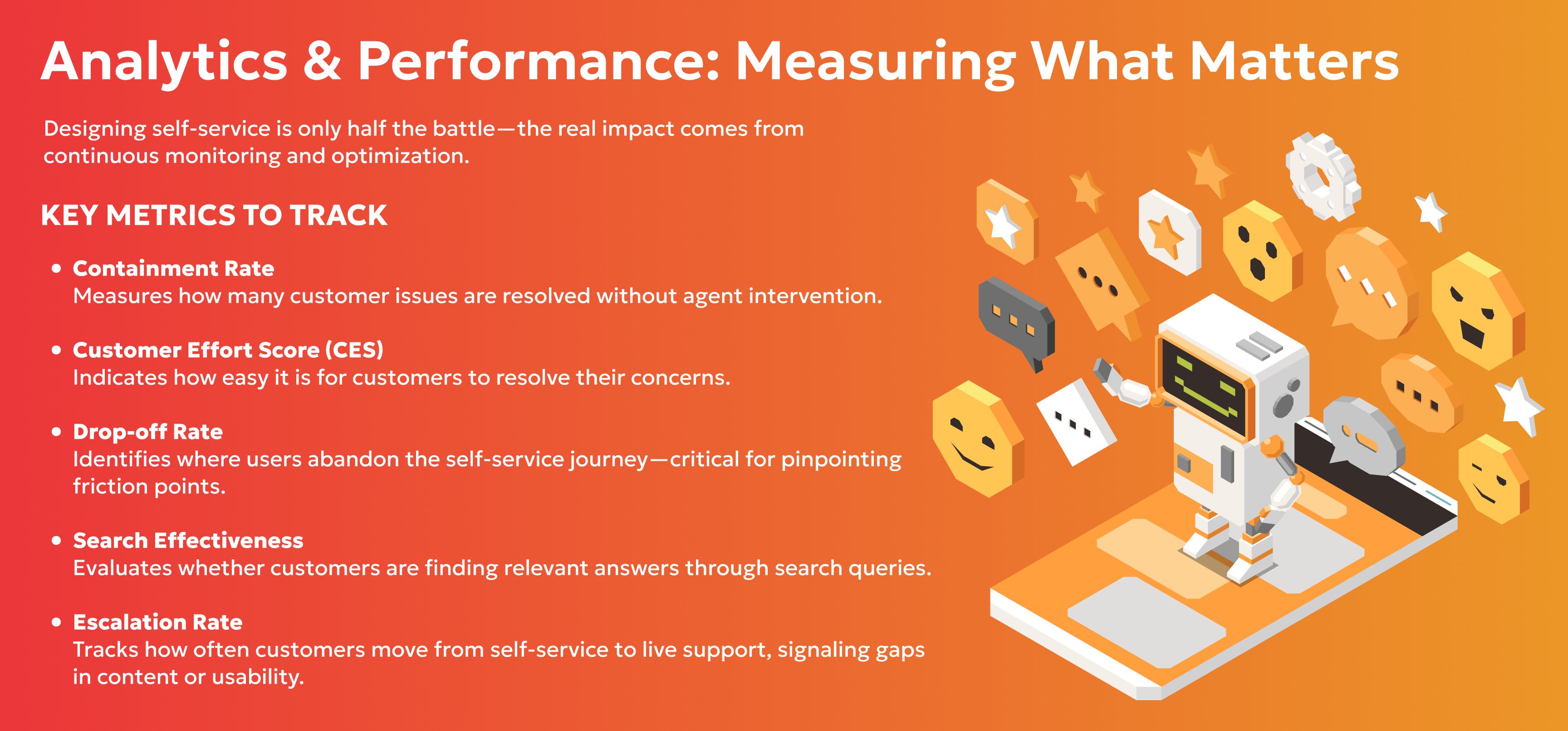
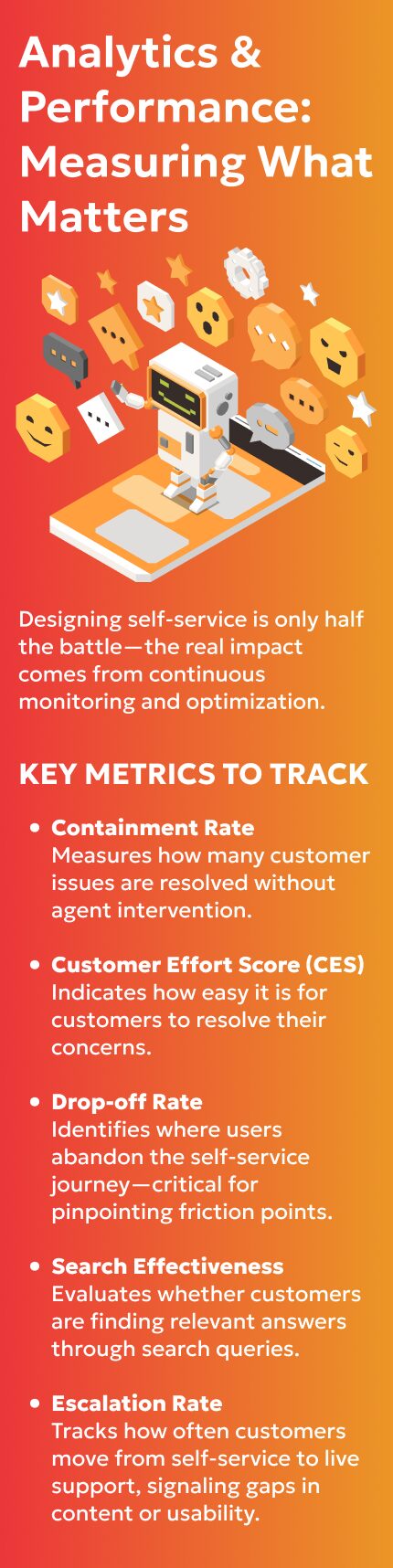
Using Data to Improve Experience
Leading organizations leverage analytics to refine their self-service systems continuously. This includes:
- Updating knowledge base content based on trending queries
- Improving chatbot responses using AI-driven insights
- Streamlining navigation and user interface design
- Personalizing experiences based on customer behavior
With expert partners like XMCBPO, businesses gain access to advanced analytics frameworks that turn customer interaction data into actionable improvements.
Conclusion
Self-service doesn’t have to be a source of frustration. When designed with the customer in mind, it becomes a powerful tool that enhances both efficiency and satisfaction.
The key lies in balancing containment with experience—ensuring customers can resolve issues independently without feeling stuck or unsupported. By investing in intuitive design, meaningful content, and robust analytics, organizations can transform self-service into a competitive advantage.
With the right expertise and strategic support from XMCBPO, businesses can build self-service solutions that customers actually want to use—driving better outcomes for both the customer and the company.


